Mole & Vole Control for Lawns, Mulch Beds, and Landscape Protection
Tunnels through the lawn, dying grass, disturbed mulch beds, and damaged plants are signs that something is working below the surface. We identify whether you are dealing with moles, voles, or both, then apply targeted control to stop the damage and protect the property.
Professional Mole and Vole Control Starts With Correct Identification
Mole and vole activity is often confused, and that leads to bad advice and wasted time. Moles tunnel through turf and leave raised ridges and mounds. Voles create surface runways, chew vegetation, damage roots, and feed on plants, bulbs, and bark. If the problem is misidentified, the damage continues.
TDHP Wildlife Control provides targeted mole and vole control for homeowners dealing with lawn damage, activity in mulch beds, and landscape destruction around the home. The goal is simple: identify the problem correctly, stop the active damage, and reduce the conditions that allow it to continue.
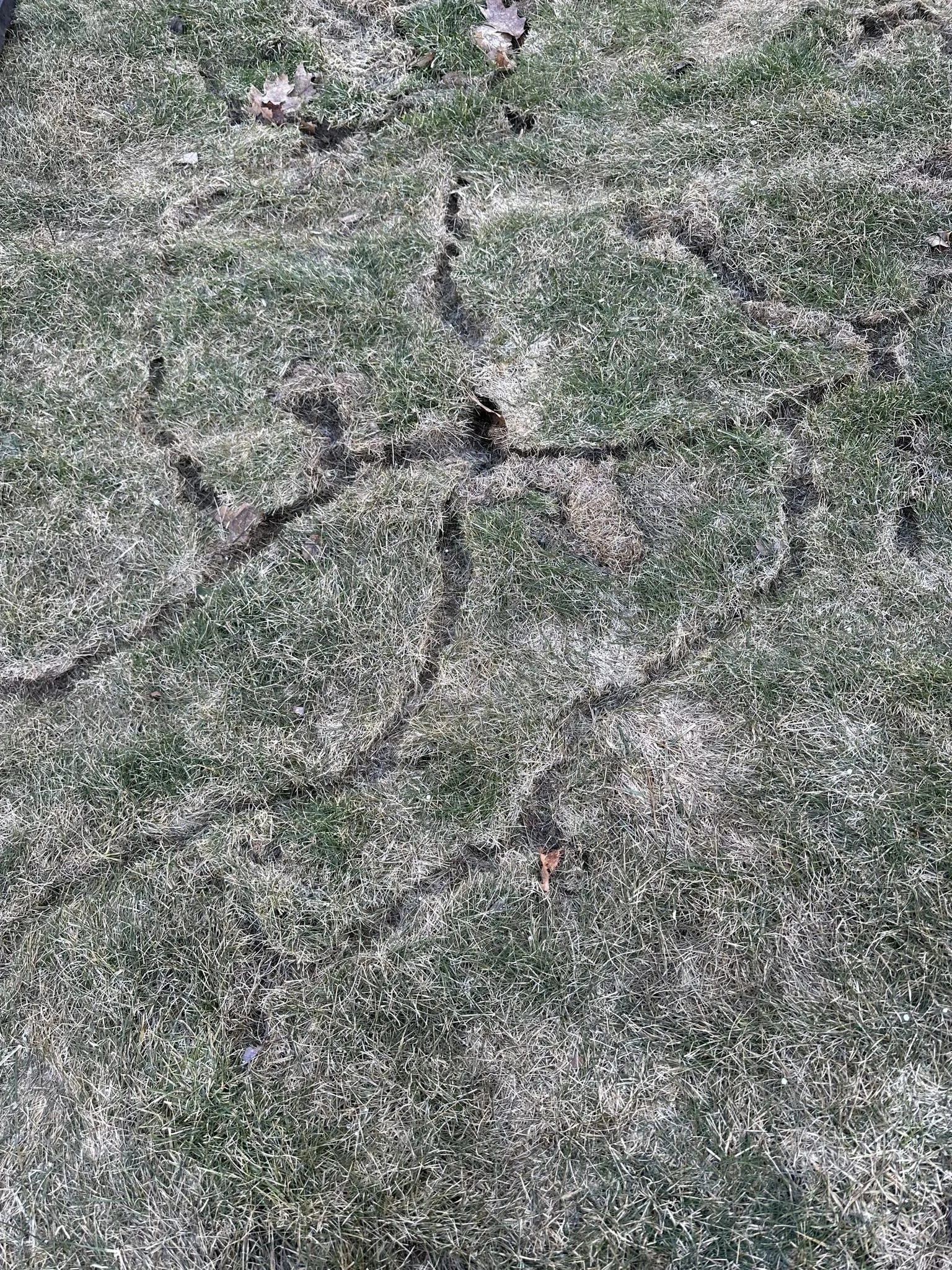
Common Signs of Mole and Vole Activity
Mole Signs
Raised ridges in the lawn, soft tunnels underfoot, fresh mounds, and widespread turf disruption are strong indicators of mole activity.
Vole Signs
Surface runways in grass, damage in mulch beds, gnawed stems, chewed bark, and sudden decline in plants, shrubs, or bulbs point to voles.
Property Damage
Uneven lawns, weakened root zones, dead patches, damaged ornamentals, disturbed landscape beds, and recurring activity around the foundation can all follow unchecked tunneling.
Why You Shouldn’t Ignore It
Mole and vole damage is more than cosmetic. Once tunnels spread through a yard, lawn roots can weaken, mulch beds become active travel routes, and plants can start failing from below. Voles also damage trees, shrubs, and ornamental plantings by feeding on stems, roots, and bark. What starts as “a few trails in the grass” can turn into a much larger repair issue across the property.
The longer activity continues, the harder it becomes to protect the lawn and landscape. Early action gives you a better chance to limit damage, restore affected areas, and stop the problem before it expands.
Our Mole & Vole Control Process
Inspection & Identification
We assess the lawn, beds, and landscape to determine whether the activity is being caused by moles, voles, or both.
Targeted Control
We apply targeted mole and vole control based on the active sign, damage pattern, and areas of pressure on the property.
Damage Reduction Strategy
We walk you through the conditions contributing to activity so you can reduce future pressure around lawns, beds, and plantings.
Mole & Vole Control FAQ
How do I know if I have moles or voles?
Moles usually leave raised tunnels and ridges in turf. Voles commonly leave surface runways, chew on plants, and damage grass, roots, bulbs, shrubs, and bark. It is common to misidentify one for the other without a proper inspection.
Can mole or vole activity damage more than just the lawn?
Yes. Activity often extends into mulch beds, garden areas, around ornamental plantings, and near shrubs or young trees. Voles in particular can damage bark, roots, and low vegetation.
Will the problem go away on its own?
Sometimes activity shifts, but waiting usually means more lawn disruption and more landscape damage. If fresh sign is present, the problem should be addressed before it spreads.
Do you service Worcester and Middlesex County?
Yes. TDHP Wildlife Control provides mole and vole control services throughout Worcester and Middlesex County, Massachusetts.
Schedule Mole & Vole Control
If your lawn is tunneling, your mulch beds are getting torn up, or your plants are taking damage, now is the time to get it identified and addressed. Email TDHP Wildlife Control to schedule service.